Home > Blog > Is a Small Water-Soluble Fertilizer Line Profitable?
Is a Small Water-Soluble Fertilizer Line Profitable?
Date 2026.09.24
Share
A small powder line can be profitable in 2026, but its nameplate capacity does not answer the question. The real test is whether realistic monthly sales can cover raw materials, packaging, labor, power, selling costs, and the cash tied up in the line. This article gives new fertilizer producers one compact way to judge that decision before requesting a quotation.
Profitability Starts With One Monthly Equation
The useful calculation is monthly operating profit, not revenue. Begin with saleable tonnes, multiply them by contribution per tonne, and subtract fixed monthly costs. Contribution means the selling price left after raw materials, bags, variable labor, power, freight support, commissions, and expected production loss. A water soluble NPK fertilizer factory that confuses turnover with contribution can look busy while still consuming cash.
The first draft should use the lower of proven demand and practical output. Practical output is rated hourly capacity multiplied by scheduled hours, then reduced for cleaning, formula changeovers, maintenance, and rejected or reworked batches. A credible water soluble manufacturing model therefore starts with orders the business can actually win, not a perfect month on a brochure.
Contribution Per Saleable Tonne
Contribution per tonne = net selling price – variable cost per tonne. Net selling price should reflect discounts and channel margins. Variable cost should include the full formula, micronutrients, anti-caking inputs where required, bags, labels, and normal loss. Because fertilizer formulas and local input prices change, this number must come from current quotations rather than a generic industry margin.
Break-Even Volume and Payback
Break-even tonnes per month = fixed monthly costs / contribution per tonne. Payback months = total cash investment / monthly operating profit. Total cash investment is wider than the equipment invoice: it includes freight, duties, site preparation, electrical work, commissioning, initial packaging, laboratory setup, and working capital. This is the safest way to frame water-soluble fertilizers (WSF) manufacturing plant cost without pretending one price fits every country.
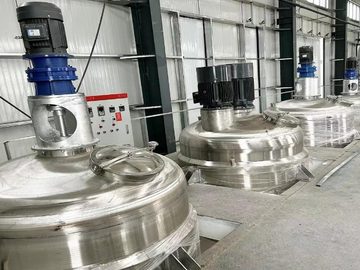
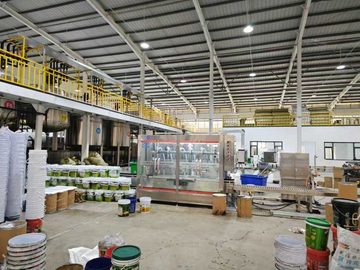
A small line can reduce the amount of cash that must earn a return, especially when the product is blended powder rather than granules. The required fertilizer production line can follow a direct sequence: raw-material crushing when needed, automatic dosing, ribbon mixing, enclosed conveying, temporary storage, automatic packing, and PLC control. Avoiding unnecessary drying or granulation keeps this article focused on the powder business the investor intends to run.
The advantage is flexibility, not simply low output. Several formulas can share the same core machines when cleanout, batching accuracy, and packaging changes are planned. That allows a new producer to test a market with shorter campaigns instead of filling a warehouse with one slow-moving grade. A balanced water soluble fertilizer factory plan therefore values repeat orders and changeover discipline more than maximum hourly capacity.
SAFI Machinery becomes relevant once those commercial assumptions are clear. We configure powder water-soluble fertilizer systems around the customer’s raw materials, formulas, required capacity, and bag sizes. Our process can combine a urea roller crusher, automatic dosing, a double ribbon mixer, conveying and buffer equipment, automatic packing, and central PLC control; each item should be included only when it protects saleable output or labor efficiency.
Three Leaks Can Erase the Expected Margin
Poor utilization is usually the largest leak. A line sized for an optimistic forecast creates depreciation and fixed overhead before demand exists. The second leak is off-spec or inconsistent product: inaccurate dosing, uneven mixing, residue between formulas, moisture pickup, and weak seals can turn production into rework. The third leak is slow cash conversion when too many formulas, bag sizes, or raw materials sit in inventory.
These risks explain why the cheapest quotation is not automatically the most profitable. The urea roller crusher prepares suitable powder without making the whole process a granulation project, while the ribbon mixer supports uniform blending and controlled liquid addition where the formula requires it. Stainless-steel contact surfaces, enclosed transfer, accurate weighing, and sensible cleaning access matter because they protect sellable tonnes. A serious water soluble fertilizer manufacturer conversation should connect each machine feature to one of those economic outcomes.
Use a Simple Go-or-Wait Rule
A small line is a reasonable 2026 investment only when the conservative case remains positive. Before ordering, test the model with lower sales, a narrower contribution, and a delayed ramp-up. The project is ready to advance when all three statements are true:
Working capital covers raw materials, packaging, and customer credit during ramp-up.
The chosen configuration protects dosing, mixing, packing, and changeover quality without unused extras.
If one statement fails, waiting or reducing the first-stage configuration is financially stronger than buying excess capacity. A water soluble npk fertilizer factory can expand after repeat orders make the next bottleneck visible; it does not need to purchase every possible module on day one.
The Practical Takeaway
Yes, a small water-soluble fertilizer powder line can be profitable, but only when its break-even volume is supported by believable orders and its contribution covers fixed costs with room for disruption. The best first decision is not which machine is cheapest. It is how many saleable tonnes the business can move, what it retains per tonne, and how much cash must work before payback.
When those figures are ready, SAFI Machinery can translate the selected formulas, capacities, and packaging range into a focused configuration and quotation. That keeps the equipment discussion tied to the return model rather than to an oversized wish list.
FAQ
What makes a small water-soluble fertilizer line profitable?
Profit comes from enough saleable volume at a positive contribution per tonne, controlled fixed costs, and a configuration that limits loss during dosing, mixing, changeover, and packing. Rated capacity alone does not create a return.
How much capacity should a new producer buy?
Choose capacity from conservative monthly demand and the available production schedule. Allow time for cleaning, maintenance, formula changes, and quality checks, then expand only when repeat orders expose a real bottleneck.
How should equipment cost enter the payback model?
Use total installed cash, including freight, duties, site work, electrical work, commissioning, initial consumables, and working capital. Divide that total by conservative monthly operating profit to estimate payback.
Can one small line produce several powder formulas?
Yes, when batching controls, mixer cleanout, residue management, raw-material storage, and packaging changes are designed for the intended formula range. More formulas are useful only when they match real customer demand.
Should a new plant automate every stage?
Automation should target costly errors and unstable labor points first. Accurate dosing, controlled mixing, reliable packing, and coordinated PLC operation often matter more to profit than adding optional equipment that will remain idle.