Home > Blog > How to Make Organic Fertilizer from Cow Dung Profitably
How to Make Organic Fertilizer from Cow Dung Profitably
Date 2026.08.06
Share
Introduction
Many livestock farms need a practical solution for handling increasing amounts of manure. Instead of treating cow dung only as waste, farms can process it into organic fertilizer from cow manure through controlled fermentation and granulation. This creates a new revenue option for cattle farms, fertilizer traders, and investors entering the agricultural sector by converting organic waste into standardized fertilizer products.
At SAFI Machinery, we offer tailored fertilizer production solutions. We help customers turn organic waste into goods they can sell easily. Our cow manure organic fertilizer production line is configured according to raw material conditions, required capacity, and final fertilizer specifications. Before selecting equipment, we evaluate factors such as manure moisture, production scale, and processing requirements to create a suitable production plan.
How to Make Organic Fertilizer from Cow Dung?
A real commercial fertilizer project needs more than just one machine. The process of how to make organic fertilizer from cow dung includes fermentation, crushing, mixing, granulation, drying, cooling, screening, coating, packaging, and material conveying.
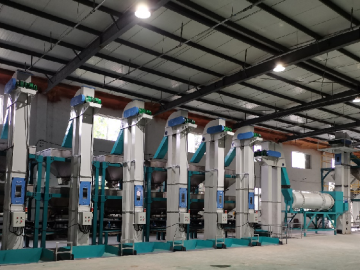
The initial stage includes fermentation and maturation. The fresh manure of cows undergoes the process of aerobic fermentation where microorganisms degrade organic substances and thus prepare the substance for subsequent stages. Large-scale operations normally involve special fermentation equipment for proper process regulation. Thus, the vertical compost fermentation tank utilizes microbial processes at specific conditions of temperature, humidity, and oxygen level to decompose the manure.
After the fermentation finishes, the material moves to the crushing stage. A wet material compost crusher handles fermented organic stuff that holds extra moisture. After fermentation, the wet material compost crusher reduces particle size and prepares the material for mixing and granulation.
After crushing, the material enters the mixing stage. Mixing ensures that fermented manure and other organic materials are distributed evenly before granulation. A stable mixture helps the organic fertilizer granulation machine produce more consistent fertilizer particles.
The next vital step is granulation. An organic fertilizer granulation machine converts prepared organic materials into uniform fertilizer granules. For fermented cow manure containing higher fiber content, a tubular organic fertilizer granulator uses mechanical stirring and friction to mix, shape, and strengthen particles during processing. Granulated fertilizer is easier to package, transport, and distribute compared with loose compost materials.
The last few steps cover drying, cooling, screening, coating, and packaging. These actions ensure every batch looks and feels the same. They create a finished product that is fully ready for commercial sales and wide distribution.
What Equipment Is Included in a Cow Manure Organic Fertilizer Production Line?
A standard cow manure organic fertilizer production line links several machines together. They work as a team to finish the fertilizer manufacturing task. The exact equipment setup changes from buyer to buyer. It depends heavily on the state of your raw materials. It also relies on your target output and the specific traits you want in the final product.
Equipment
Main Function
Application
Vertical compost fermentation tank
Ferments livestock manure under controlled conditions
Supports aerobic fermentation and manure treatment
Wet material compost crusher
Reduces fermented organic materials size
Suitable for high-moisture fermented fertilizer materials
Mixing equipment
Creates a uniform material mixture before granulation
Improves granulation consistency
Organic fertilizer granulation machine
Forms fertilizer granules
Processes fermented organic materials into commercial fertilizer particles
Drying and cooling equipment
Controls finished fertilizer moisture and temperature
Prepares granules for screening and packaging
Rotary screener
Separates qualified granules
Improves final product uniformity
Packaging machine
Packages finished fertilizer products
Supports transportation and sales
The vertical compost fermentation tank uses microbial activity under controlled temperature, moisture, and oxygen conditions to process livestock waste into usable fertilizer materials.
How Does an Organic Fertilizer Granulator Improve Production Efficiency?
The organic fertilizer granulator transforms the fermented manure into fertilizers. It is more convenient to transport and store the fertilizers that have been granulated rather than the unprocessed fertilizers like compost. This is the reason why it is crucial to choose an appropriate organic fertilizer granulator.
The tubular organic fertilizer granulator works well with fermented organic materials. It is especially good for mixes that have a lot of fiber. This machine uses mechanical stirring and friction to mix, shape, and strengthen organic materials during granulation.
Equipment Type
Key Parameters
Suitable Application
Tubular organic fertilizer granulator
Raw material moisture around 25%–45%; particle size generally 2–10 mm
Fermented cow manure and fiber-rich organic materials
Picking the right organic fertilizer granulator matters a lot. Your choice depends on the material traits and your daily production needs. A good granulation setup helps factory owners keep product quality high and steady. It also cuts down on random processing troubles.
How Should New Investors Choose Organic Fertilizer Equipment?
Investors entering the fertilizer industry should define their production objectives before purchasing equipment. Raw material availability, required output, site conditions, and target fertilizer products should all be considered during equipment selection. The first major step is checking the total volume of available raw materials. A local livestock farm might have a steady flow of manure. This farm will likely need a different setup than a fertilizer trader who is building a massive commercial plant.
Production capacity should match the target market. Small projects may focus on local fertilizer supply, while larger plants require continuous production systems with higher automation levels.
Matching your equipment correctly is also vital. The machines for fermentation, crushing, granulation, screening, and packaging must link up perfectly. They have to run smoothly as a single unit. SAFI Machinery supplies great fertilizer equipment solutions. We offer everything from single machines to full production lines. We support our buyers with smart process design and proper equipment selection. We also give clear installation guidance and reliable technical services.
Why Choose SAFI Machinery for Organic Fertilizer Production?
Starting an organic fertilizer business requires suitable equipment and practical production experience. We help our clients pick the best solutions. We base these choices on their specific raw materials. We also look closely at their budget plans and target sales markets.
Our fertilizer production solutions are used in livestock farming, organic fertilizer manufacturing, and fertilizer trading projects. You might need just one organic fertilizer granulator. Or, you might want a fully automated production system. Either way, we supply full equipment integration. We also deliver strong technical support for anyone growing a fertilizer business.
Conclusion
To make organic fertilizer from cow dung successfully, operators need suitable fermentation processes, matched equipment, and practical production planning to create stable fertilizer products. With these tools, farms and investors can easily build a lasting, profitable fertilizer business.
A well-planned cow manure organic fertilizer production line helps clients convert available resources into standardized fertilizer products and develop new opportunities in agricultural markets.
FAQ
How much investment is needed for an organic fertilizer production line?
The total cost depends heavily on your desired output capacity. It also changes based on the equipment setup, automation needs, and raw material state. Buyers usually need a highly customized solution. This happens because small farm projects and large commercial plants have very different needs.
What materials can an organic fertilizer granulator process?
Organic fertilizer granulators are able to deal with organic substances after fermentation, such as cow dung, chicken dung, pig dung, and sheep dung.
Does SAFI Machinery provide installation support and technical service?
Yes, we do. We supply full production solution design and clear equipment guidance. We also offer reliable installation support and steady technical help. These services ensure our customers can run their fertilizer production projects smoothly and successfully.