Home > Blog > How Does a water-soluble NPK fertilizer factory Work
How Does a water-soluble NPK fertilizer factory Work
Date 2026.07.02
Share
Introduction
Today’s water-soluble fertilizer sector relies on more than just chemical expertise. It depends heavily on production efficiency. A good setup transforms raw materials into completely dissolvable, sturdy, and export-ready powder. Farming practices are shifting worldwide. This is especially true in India, the Middle East, and parts of Europe. Purchasers there now prefer exact irrigation setups. These setups require highly reliable nutrient dissolving rates. Because of this trend, water soluble manufacturing plays a huge role in fresh investment choices.
Many new investors come from backgrounds in construction, livestock farming, or trade. For them, the main draw of a water soluble NPK fertilizer factory is its easy operation. They do not want complicated technical hurdles. Instead, they look for a steady processing line. They also expect steady production rates, clear granule shapes, and a straightforward price breakdown. They need these facts before they fund any project.
How Water-Soluble NPK Fertilizer Factory Systems Operate
A standard water-soluble NPK fertilizer factory uses a continuous, closed-loop workflow. First, workers process raw items like urea, potassium salts, and phosphate mixtures into tiny pieces. Next, an automated batching machine measures these pieces. This step guarantees exact nutrient levels.
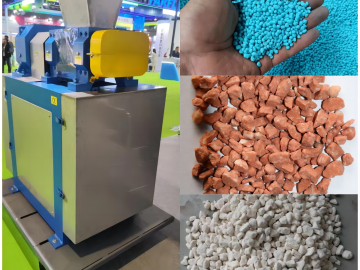
Inside the blending area, a double shaft or ribbon mixer does important work. It spreads the nitrogen, phosphorus, and potassium evenly. After that, the mixture might go into a granulation phase. This depends on the desired final good. Factories use roller presses or drum granulators here. This specific stage is very important. It forms strong particles. These granules maintain rapid dissolution performance in irrigation systems, ensuring stable nutrient release under drip irrigation and foliar feeding applications.
Rotary drying systems reduce moisture content to 2–5% for compound fertilizer or 10–15% for organic fertilizer applications, ensuring stable storage and export compliance. Meanwhile, a screening tool checks for matching particle sizes. This happens right before the packing stage. The final result is a completed product. It is fully ready for overseas shipping or local farm use.
Many beginners choose a balanced water-soluble fertilizer factory design for a good reason. It cuts down on daily running difficulties. At the same time, it keeps the item quality steady. This helps greatly when people enter tough markets for the very first time.
Equipment Configuration and Technical Structure
In actual industrial builds, picking the right gear is vital. It determines the toughness of the whole water-soluble manufacturing line. Planners match different setups based on proven methods. They base these choices on the required yield size and the available budget.
Production Scale
Core Configuration
Output Range (T/Y)
Application Focus
Entry Level Line
Basic mixing + small granulation system
1,000–10,000
Trading companies and new investors
Medium Line
Integrated crushing, mixing, roller granulation
10,000–50,000
Regional fertilizer suppliers
Industrial Line
Fully automated batching + drying + screening
50,000–100,000
Export-oriented fertilizer producers
This layout shows a clear benefit. A balanced water-soluble fertilizer factory can grow larger without a total redesign. Each tier supports unique market entry plans. This is highly helpful for business owners without chemical engineering degrees.
We can look at real engineering cases from SAFI Machinery projects. Mixing systems typically operate in the 7.5–55 kW range, while granulation units can reach 30–90 kW depending on production capacity and configuration. They pair this with modular drying units. This combination is very popular in medium-sized NPK soluble fertilizer factory layouts. These setups deliver steady output. They work well even when raw material qualities change.
Why Market Demand Is Growing in Emerging Regions
Irrigation farming is growing rapidly in India. Greenhouse planting is also expanding in the Middle East. These changes have greatly boosted the need for water soluble manufacturing setups. Over in Europe, strict green laws force farmers to adapt. They now seek fertilizers that leave less waste in the dirt. They also want items that boost plant uptake rates.
Fresh investors in this field are rarely old-school chemical makers. Many new investors come from non-chemical industries such as construction, livestock farming, and fertilizer trading, where the priority is operational stability rather than chemical formulation expertise. They focus on basic factory reliability. They want to make uniform granules. They also want to earn steady, clear profits.
Because of this mindset, a water soluble NPK fertilizer factory acts more like a ready-to-use business venture. It is no longer just a heavy chemical task. Buyers make choices based on simple things. Their decision is often based on factory inspection, finished granule appearance, and clear quotation structure rather than deep technical evaluation. They also value clear price quotes. They avoid deep technical studies.
Production Line Performance and Real-World Output
Real-world setups in many countries show varying results. The performance of water-soluble manufacturing lines depends on the chosen gear. It also changes based on the raw materials used. The technical chart below displays normal production habits in these designed builds.
System Module
Capacity Range
Power Requirement
Output Characteristics
Mixing Unit
1–10 T/H
7.5–55 kW
Uniform nutrient blending with stable NPK distribution
Granulation System
1–16 T/H
30–90 kW
Stable particle formation
Drying System
1–4 T/H
4–15 kW
Moisture reduction to 2–5%
Full Line Integration
1,000–100,000 T/Y
Customized
Continuous export-grade production
Builders frequently use these exact setups in water-soluble NPK fertilizer factory jobs. In these projects, steady results and easy growth matter the most. They are far more vital than the speed of just one single machine.
Conclusion
Global farming is changing fast. This shift pushes fertilizer making toward better speed and higher dissolving rates. It also demands simpler daily running steps. A modern water-soluble manufacturing setup is more than a basic factory. It serves as a smart starting point for fresh business owners. These buyers want safe profits in farm-related fields. Small trading firms and animal farms are joining this space. Because of this, the call for neat, growing, and simple systems keeps rising.
A balanced water-soluble fertilizer factory model gives people this exact path. It lowers the hard technical walls. At the same time, it keeps the output safe and steady across many different regions.
Business owners must plan their entry carefully. Teaming up with a proven engineering vendor helps a lot. It guarantees a smoother build and clearer cost plans. It also leads to faster opening days. Right now, SAFI Machinery stands out as a useful guide. They offer full layout planning and solid machine matching help.
FAQ
What is a water-soluble manufacturing system in a water-soluble NPK fertilizer factory?
A water soluble manufacturing system is a full factory layout. It turns basic raw items into completely dissolved NPK goods. Farmers then use these items for watering lines and leaf-spraying tasks.
How does a water-soluble NPK fertilizer factory control product quality?
A water soluble NPK fertilizer factory manages its quality through careful steps. It uses exact measuring and even blending. It also relies on careful granule shaping and tight moisture checks. These steps guarantee complete dissolution in water.
What equipment is needed for a balanced water-soluble fertilizer factory setup?
A balanced water-soluble fertilizer factory needs several key machines. It usually features crushing, blending, and shaping tools. It also involves drying, sorting, and packing units. All these parts work together to give a steady daily yield.
What is the cost range of a water-soluble NPK fertilizer factory for new investors?
The final price relies on the overall size and the smart tech used. However, basic water-soluble NPK fertilizer factory setups fit well within small or medium budgets. They are built specifically for fresh faces in the market.
Why is water-soluble manufacturing important for modern agriculture?
Water-soluble manufacturing makes sure that plant foods melt fast in water. This trait boosts how well crops drink the food. It also cuts down on waste during modern watering tasks.