Home > Solutions > Automatic Batching and Blending System for Water-Soluble Fertilizers
Automatic Batching and Blending System for Water-Soluble Fertilizers
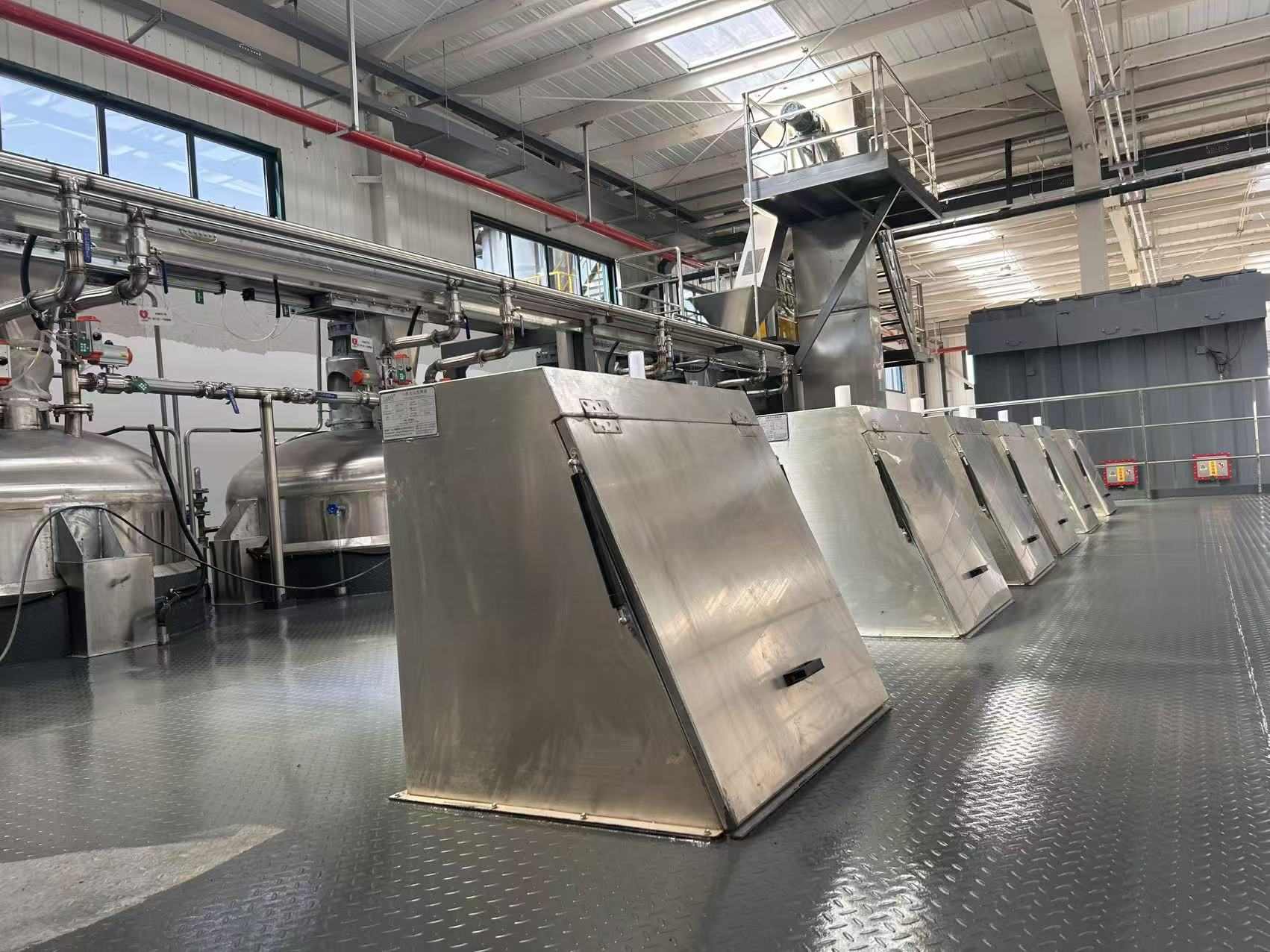
Feed hoppers, weighing equipment and mixer arranged for batch production.
The main ingredients are fed to the weighing hopper for each batch.
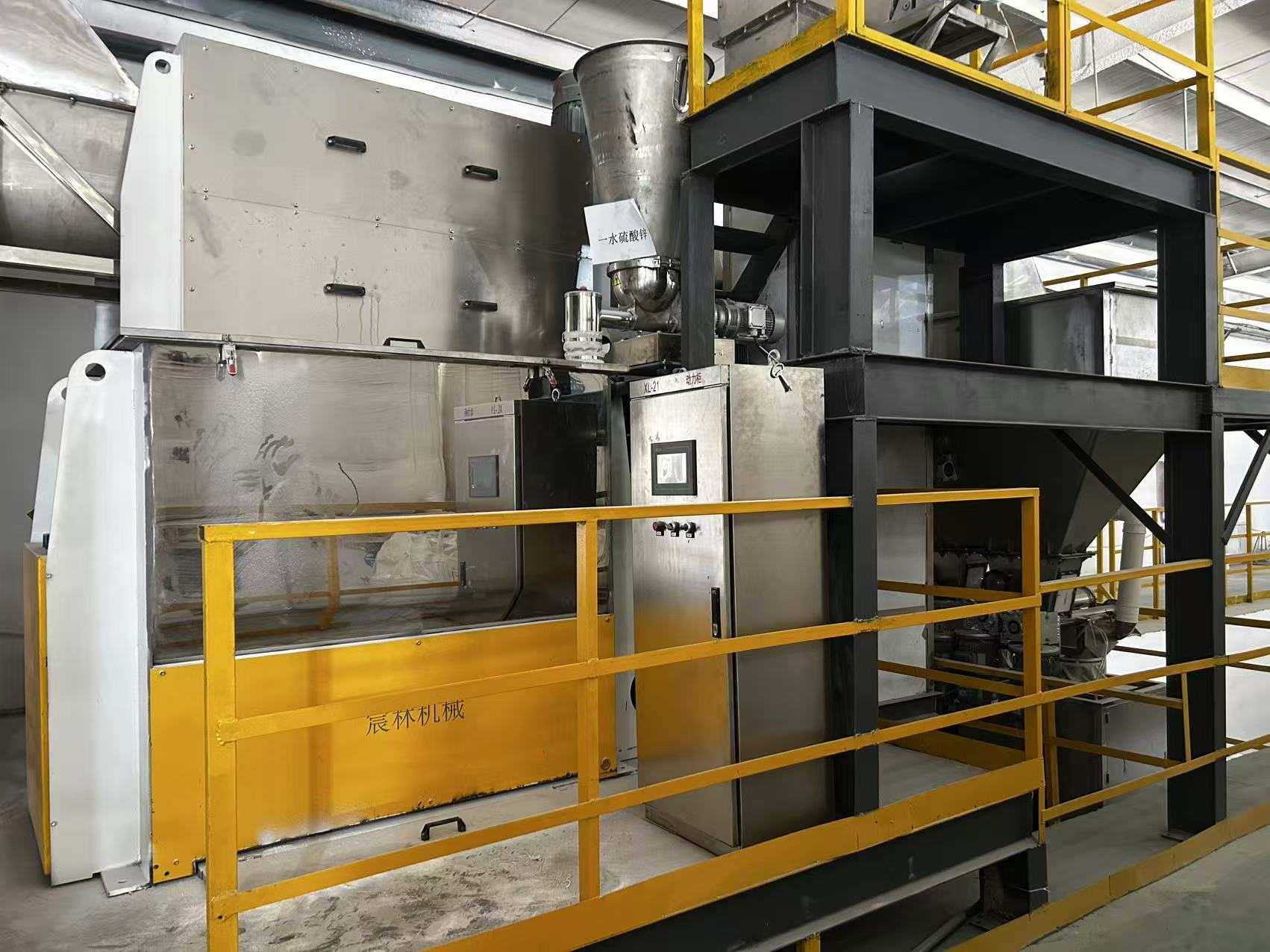
A dedicated feeder meters small quantities of powder ingredients into the batch.
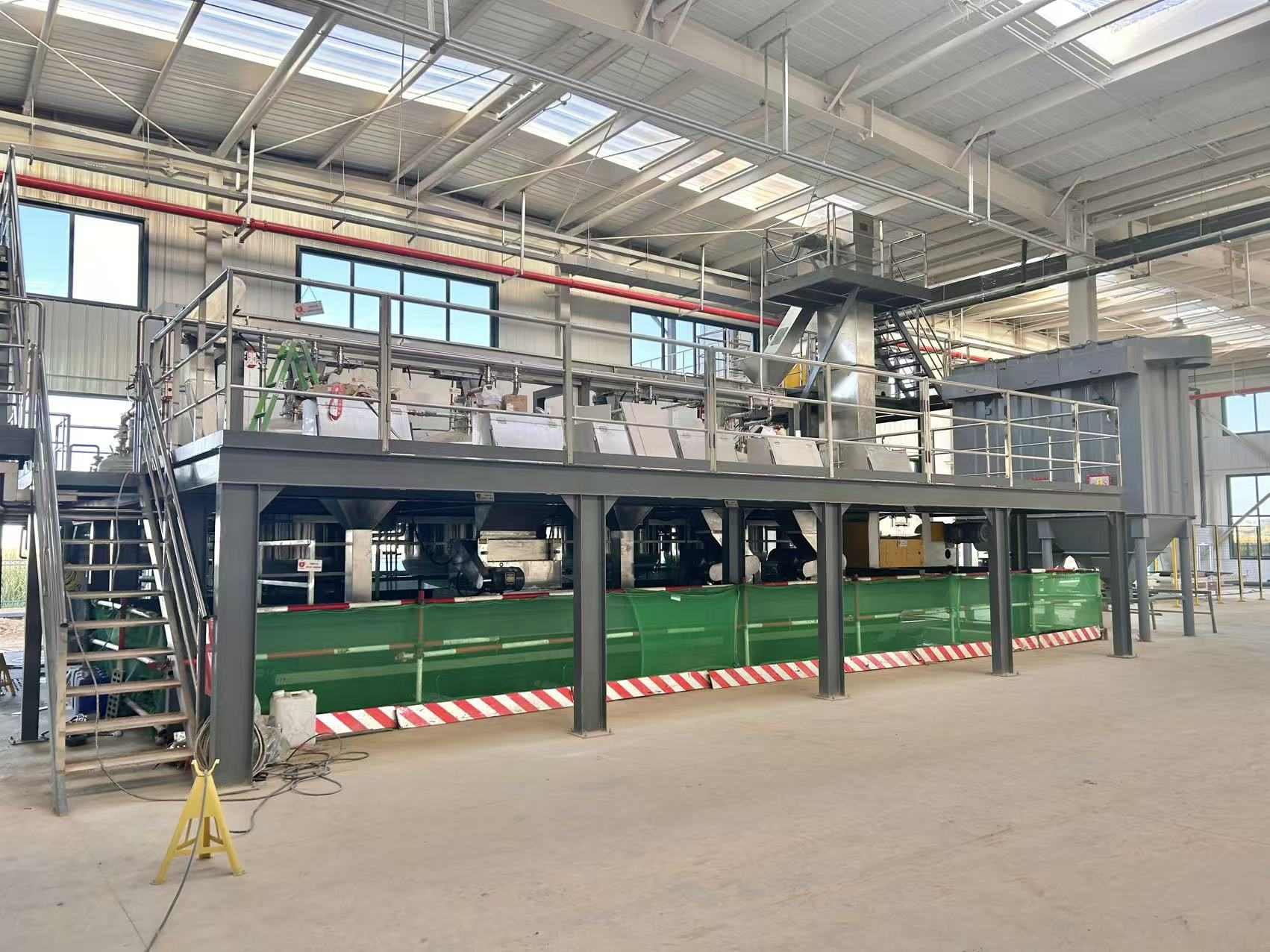
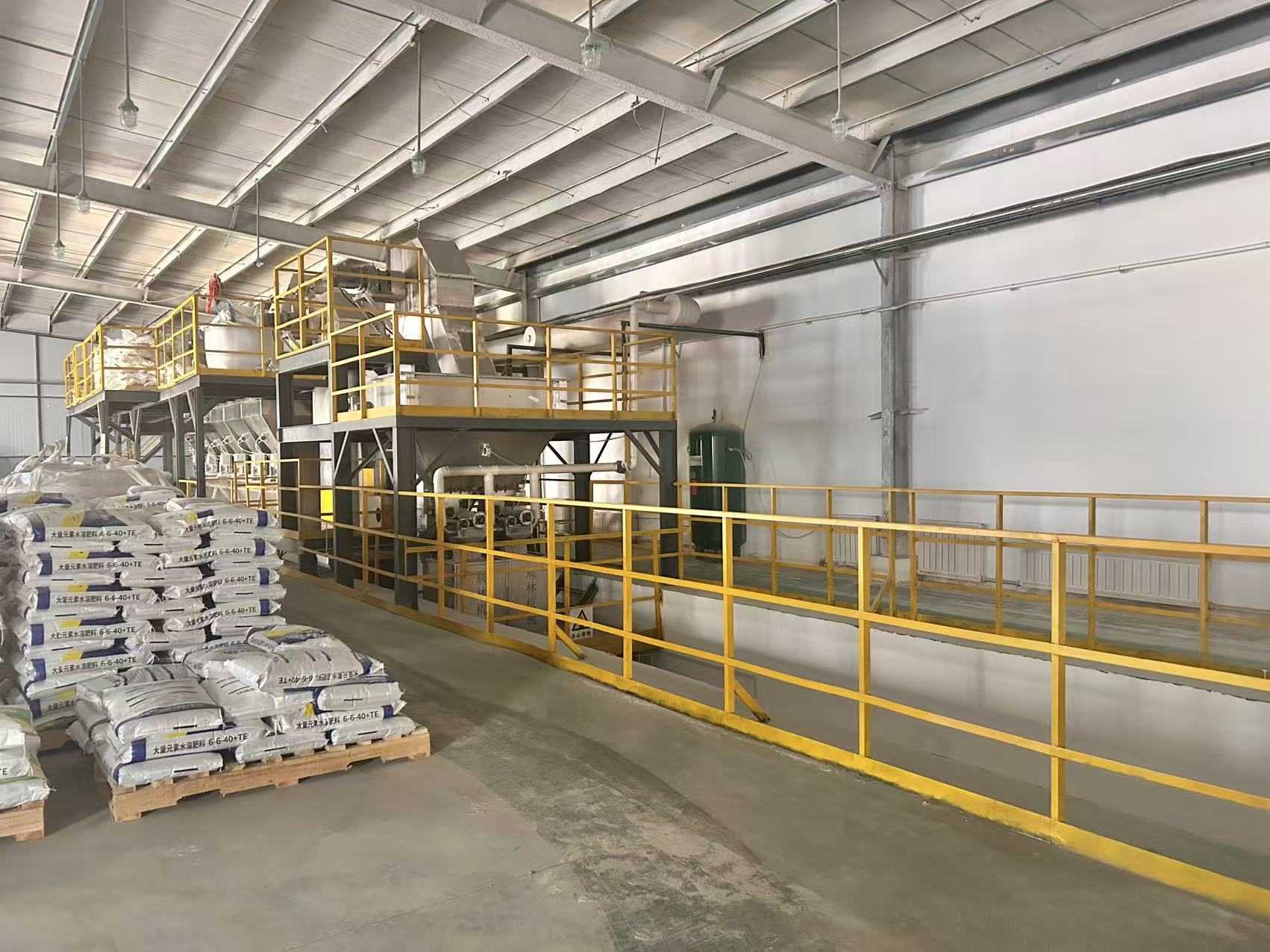
The automatic batching and blending system shown within a complete water-soluble fertilizer powder production line.
SAFI manufactures equipment for weighing, blending and bagging water-soluble fertilizer powders. The line is sized around your formulation, hourly output and bag weights. See our 3 TPH project in Bangalore and 10–15 TPH project in Raipur, India.
To size a water-soluble fertilizer batching and blending system, we need three details from the recipe: the total batch weight, the number of ingredients and the smallest addition. The first two help define the hopper arrangement and mixer size. The smallest addition helps determine whether a separate weighing or dosing step is needed.
SAFI supplies this equipment as a standalone process section or as part of a complete powder production line. The system covers ingredient feeding, batch weighing, ribbon blending and discharge to the next stage.
Automatic Weighing and Batch Dosing
The main ingredients are held in feed hoppers and metered into the weighing system. With gravimetric dosing, the system weighs each ingredient against its recipe target. The required weight per batch and the way each powder flows help determine the size of the hopper and the type of feeder.
A PLC can coordinate material feeding, weighing and mixer charging. The sequence and controls are specified for the number of ingredients and the way the plant runs its batches.
Micronutrient Dosing and Addition
For water-soluble NPK fertilizers with micronutrients, trace elements such as iron, zinc, manganese and boron may be added in small quantities. One option is to weigh them separately and add them through a designated charging point. Where automatic micronutrient dosing is required, we select a powder feeder based on the minimum dose and the material’s flow properties.
The ingredient list should also identify sources of the primary nutrients N, P and K, as well as any secondary nutrients such as calcium, magnesium and sulfur. The equipment is selected for the actual materials and the quantity of each ingredient in the batch.
Ribbon Blending and Powder Discharge
A double ribbon mixer receives the weighed ingredients. We use the batch weight and bulk density to select the working volume. The mixer can discharge into a buffer hopper or directly to transfer equipment, depending on the available height and position of the downstream inlet.
If the plant switches grades frequently, allow access to the mixer and discharge area for cleanout. If the blend must meet a uniformity specification, include the target and sampling method when requesting a configuration.
Information Needed to Size the System
What to send
How it is used
Ingredient list and weight per batch
Defines the number of hoppers, weighing ranges and mixer working capacity.
Smallest dose per batch
Helps select separate weighing or a dedicated dosing feeder.
Bulk density and flow properties
Helps size the mixer and select the feeders.
Frequency of grade changes
Guides recipe controls and access for cleaning.
Layout and downstream inlet height
Determines the discharge arrangement and the connection to existing equipment.
Request a System Configuration
Send us your ingredient list, target batch weight, smallest dose and downstream equipment dimensions. For an existing plant, a photo or drawing of the inlet and the clearance above it helps us lay out the connection.
SAFI MACHINERY uses these details to work out a suitable equipment arrangement for the production process.
Want to configuring your
production line?
We pride ourselves on our perfect ability to manufacture fertilizer production equipment and provide comprehensive one-stop service to meet all your needs.